Now match my physical medical records to the below. And you will see what I’m struggling with. Of course, you’re not that intelligent are you?
See, this man was 20 years older than me. I have the long term effects of emotional abuse. And you still chose to cover up my 2018 PTSD.
Shame on you! Here’s a book for you to read. You might need it. This is what the MH team ignored me for: but my physical medical records do not lie. And I’m still suffering from the effects. So don’t ever trigger things back that remind me of that event again! Because I’ve gone through too much in my life to give you the satisfaction of watching me suffer what toxic men did to me who should have known better.
You have no idea what I went through in 2018. None. I finally ask for trauma therapy for a hope of recovery and you refused. That’s what broke my trust with you. Nothing else. At least I tried. But of course, you knew that, because you must of contacted NHS England mental health team who covered it up in the first place and kept an eye on me up here up until a year ago.
They did keep an eye on me and urged me to take sertraline in 2018 and kept keeping an eye on me. They said I had to take sertraline or I wouldn’t get better and put it under BPD. Are you satisfied? So yes I wanted trauma therapy about that event so I can reverse the damage? Thanks for ignoring it.
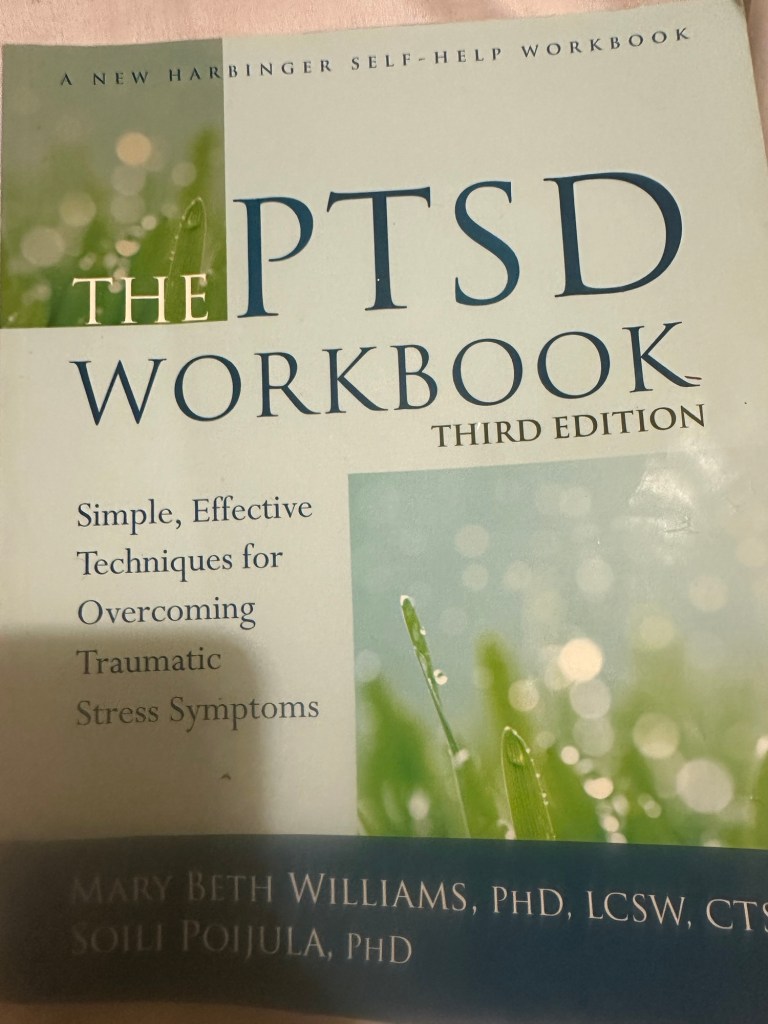
Source: Chat GPT
Emotional abuse can have real, lasting physical effects on the body. These aren’t “imagined” or “just psychological”—chronic emotional stress changes how the nervous system, hormones, immune system, and muscles function. In women especially, certain patterns are well-documented.
Below is a clear, medically grounded overview.
1. Nervous System & Stress-Response Disorders
Long-term emotional abuse often keeps the body in fight-or-flight or freeze mode.
Possible conditions:
Chronic fatigue Dizziness or fainting Headaches or migraines Sleep disorders (insomnia, fragmented sleep) Hypervigilance or exaggerated startle response Autonomic dysfunction (e.g., POTS-like symptoms)
Mechanism: Dysregulation of the autonomic nervous system and cortisol imbalance.
2. Chronic Pain & Musculoskeletal Conditions
Women who experience emotional abuse frequently develop pain without a clear injury.
Common conditions:
Fibromyalgia Chronic neck, shoulder, jaw, or back pain Tension headaches TMJ disorders Pelvic floor dysfunction Myofascial pain syndromes
Mechanism: Persistent muscle guarding, central pain sensitization, and altered pain processing in the brain.
3. Gastrointestinal & Digestive Disorders
The gut is highly sensitive to emotional stress.
Possible conditions:
Irritable bowel syndrome (IBS) Functional dyspepsia Acid reflux Chronic nausea or bloating Difficulty swallowing (globus sensation) Food sensitivities or disordered eating patterns
Mechanism: Stress-induced changes in gut motility, microbiome, and vagus nerve signaling.
4. Reproductive & Gynecological Conditions
Emotional abuse is strongly associated with pelvic and reproductive symptoms.
Common issues:
Chronic pelvic pain Dyspareunia (painful intercourse) Vaginismus Irregular or painful periods Worsened PMS or PMDD Decreased libido or sexual aversion
Mechanism: Pelvic floor hypertonicity, altered hormone regulation, and trauma-related muscle reflexes.
5. Cardiovascular & Metabolic Effects
Chronic stress places strain on the heart and metabolism.
Potential conditions:
High blood pressure Heart palpitations Elevated cholesterol Weight fluctuations Increased risk of heart disease over time
Mechanism: Long-term cortisol elevation and inflammatory responses.
6. Immune & Inflammatory Disorders
Emotional trauma can weaken or dysregulate immune function.
Associated conditions:
Frequent infections Autoimmune flares Chronic inflammation Allergies or asthma exacerbation
Mechanism: Stress-induced immune suppression followed by inflammatory rebound.
7. Skin, Hair & Endocrine Changes
Stress hormones affect visible body systems.
Possible effects:
Hair loss (telogen effluvium) Acne or eczema flares Hives or unexplained rashes Thyroid dysfunction symptoms Changes in appetite or temperature regulation
8. Somatic & Functional Neurological Symptoms
Some symptoms occur without structural disease but are very real.
Examples:
Numbness or tingling Non-epileptic seizures Voice changes Difficulty walking or weakness Vision disturbances
Mechanism: Brain-body signaling disruption due to trauma.
9. Increased Risk of Chronic Illness Later in Life
Long-term studies show higher rates of:
Chronic pain syndromes Autoimmune disease Cardiovascular disease Metabolic disorders
Important Clarification
These conditions do not mean “it’s all in your head.”
They reflect biological changes caused by prolonged emotional stress.
Emotional abuse is now recognized in medicine as a risk factor for physical disease, similar to smoking or chronic sleep deprivation.
Why would you do that? I had to flee 600 miles and the MH team said “Natalie, not many people are as strong as you, hush it”.
Me being an INFJ said noooo. 😂😂 Then I got kicked out. True story.
 CPTSD/Disorders of extreme stress not otherwise specified
Leave a comment